Martin Luther King Jr. Quotes
Everyone here wants to drag me into your particular projects. I’ve always supported what you wanted to do, even when I disagreed. You wanted to go raise hell—but they were going to blame me. You have all these brilliant ideas. But I’m the one that’s going to get killed.
The meeting was to discuss continuing strategy for the Civil Rights Movement. There were, at this point, several different directions in which they could go. The irony of this meeting is that King was not pleased that most of the other leaders did not place the strategic importance of the Memphis strike that he did. They wanted him do appear in other venues for other purposes. His statement about getting killed was meant for the others to consider carefully how and why they wanted King to appear. In a few days, he was killed in Memphis—not implementing one of the other leader’s “brilliant” ideas, but implementing his own where most of them thought it of secondary importance and would prefer that he appear elsewhere instead. After King’s assassination, every leader at that meeting wished that he had been more persuasive in talking King out of the Memphis activity.
Martin Luther King Jr., 1929-1968, Clergyman & Civil Rights Leader, Nobel Peace Laureate, Meeting with Civil Rights Leaders, Ebenezer Baptist Church, Montgomery, AL, May 1968
Sourced by: Eigen's Political and Historical Quotations


There were many citizens who were very dubious about Dutero. In addition to his wildly flamboyant oratory, he advocated the exta judicial killing o suspected drug dealers, and as a mayor had actually personally murdered a few as an example for the police who were at first reluctant.


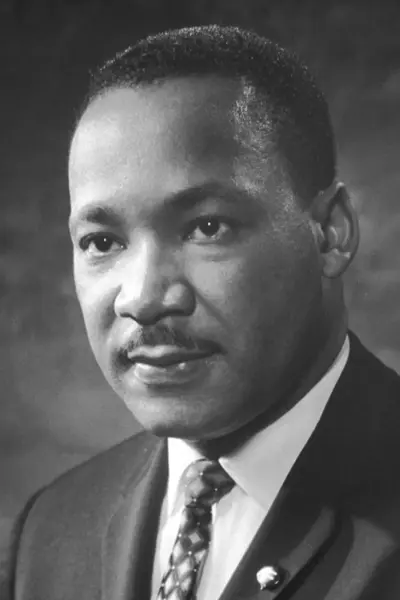
Martin Luther King Jr. was an African American Baptist minister and activist who became the most visible spokesperson and leader in the American civil rights movement from 1955 until his assassination in 1968. King advanced civil rights through nonviolence and civil disobedience, inspired by his Christian beliefs and the nonviolent activism of Mahatma Gandhi. He was the son of early civil rights activist Martin Luther King Sr.
