Victoria Woodhull Quotes
Every woman knows that if she were free, she would never bear an unwished-for child nor think of murdering one before its birth.
Woodhull, Victoria C. Tried as by Fire; or, The True and The False, Socially. Woodhull & Claflin, 1874.


Sanger faced charges of obscenity for explaining birth control in a magazine she founded called the Woman Rebel. She got no political support from Wilson or the Democrats. The few politicians who did support her were Republican progressives and reformers.
Other society benefits that proponents of legal abortion as the constitution provides have enumerated include reducing the number of unwanted children, reducing the number of children in poverty and the health and other costs that accompany them, reducing the financial burdens of couples who cannot afford a child at the time, preventing high school and college dropouts, reducing the health costs of women who have botched illegal abortions.


If a state or community legally decides that a fetus is a person, there are many situations where there is a conflict of interest between the mother to be and the fetus. A pregnant woman, having a single drink of alcohol, potentially dangers the fetus (called Fetal Alcohol Syndrome). Smoking is clearly hazardous to the health of the fetus (underweight babies and more infant mortality and even more SIDS deaths. A diet to keep a mother thinner may not be nutritious for the fetus, A few states and local government have started prosecuting pregnant women for their personal behavior that might be detrimental to the fetus—often the purpose is to assert the right of the state to regulate the behavior of the pregnant woman so that the state can control abortion.


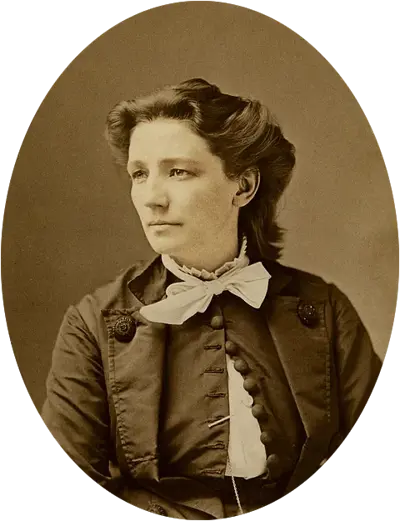
Victoria Claflin Woodhull, later Victoria Woodhull Martin, was an American leader of the women's suffrage movement who ran for President of the United States in the 1872 election. While many historians and authors agree that Woodhull was the first woman to run for the presidency, some disagree with classifying it as a true candidacy because she was younger than the constitutionally mandated age of 35 (Woodhull's 35th birthday was in September 1873, seven months after the March inauguration). However, election coverage by contemporary newspapers does not suggest age was a significant issue; this may, however, be due to the fact that few took the candidacy seriously.
