Robert Marshall Quotes
Every acre of forest should belong to the people.
Robert Marshall, 1901-1939, United States Forest Service, Co-Founder, The Wilderness Society, The People's Forest
Sourced by: Eigen's Political and Historical Quotations


Yet today California is a battleground for fights over preservation of old growth forest. In the 1800s the Indians thought old growth forests bad for hunting. Yet Indians are generally thought of as being more environmentally responsible than most.


For a different view, see {623205}.


Many developing counties have much of their population whose livelihood depends on use of resources and methods which are damaging to the environment, and the majority of the citizens of the country would rather damage the environment than not develop. Some leaders observe that the United States and most affluent nations historically developed in large part by destroying much of the environment, and they have a right to develop also.


Duke of Edinburgh


As hard as it is for us to imagine today, while her husband was President of the United States, the First Lady wrote a nationally syndicated newspaper column every single day with politics frequently the subject. While she usually agreed with the President, there were occasions where they seemed to not see things exactly the same. She tended to be more liberal than he. However, there were those who believed that when she criticized politicians, it was with FDR’s knowledge and blessing and she sometimes did his “dirty work.” Eleanor Roosevelt was one of the most influential people in the country—certainly more-so than any First Lady before and since.


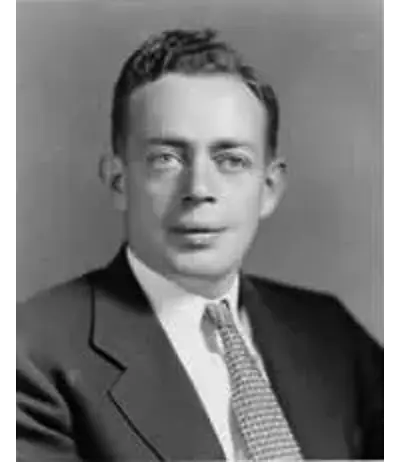
Robert Marshall was an American forester, writer and wilderness activist who is best remembered as the person who spearheaded the 1935 founding of the Wilderness Society in the United States. Marshall developed a love for the outdoors as a young child. He was an avid hiker and climber who visited the Adirondack Mountains frequently during his youth, ultimately becoming one of the first Adirondack Forty-Sixers. He also traveled to the Brooks Range of the far northern Alaskan wilderness. He wrote numerous articles and books about his travels, including the bestselling 1933 book Arctic Village.
