James Fenimore Cooper Quotes
Equality, in a social sense, may be divided into that of condition, and that of rights. Equality of condition is incompatible with civilization, and is found only to exist in those communities that are but slightly removed from the savage state. In practice, it can only mean a common misery.
Equality of rights is a peculiar feature of democracies. These rights are properly divided into civil and political, though even these definitions are not to be taken as absolute, or as literally exact.
Cooper, James Fenimore. The American Democrat, or, Hints on the Social and Civic Relations of the United States of America. H. & E. Phinney, 1838, p. 43.


As hard as it is for us to imagine today, while her husband was President of the United States, the First Lady wrote a nationally syndicated newspaper column every single day with politics frequently the subject. While she usually agreed with the President, there were occasions where they seemed to not see things exactly the same. She tended to be more liberal than he. However, there were those who believed that when she criticized politicians, it was with FDR’s knowledge and blessing and she sometimes did his “dirty work.” Eleanor Roosevelt was one of the most influential people in the country—certainly more-so than any First Lady before and since.


Executed by the English for his part in the Easter Uprising.


This was an incredibly accurate prediction as 2 years thereafter, it was not only the major civil rights issue of the time, but it became a major general political and legal issue regarding the rights of states. Within year, 16 states allowed same sex marriage.

He was responding to Mississippi Congressman William Colmer-- {637395}. Southern racists frequently accused other members of Congress of being intimidated by civil rights leaders rather than voting for civil rights legislation out of conviction. Many of them, like Colmer, were so insular that revanchist that they did not realize that other whites could really believe that segregation was not a necessary and good thing.

While this was a type of “Equal Rights Amendment”, It emphasized dignity rather than operations. For example, adultery was made a crime if committed by a woman (not for a man), And women could be dismissed from a job, simply because they were pregnant. And unusual aspect of this quotation is the fact that it applies to equality of dignity of Social status. In America we have this as an unwritten concept of fairness and egalitarianism, but it is not followed very much and certainly not guaranteed by our Constitution.

Although Holland was more egalitarian and fairer than most nations of Europe, it was not quite as desirable as Diderot described it. He only visited a part of Holland that was the most educated and affluent.

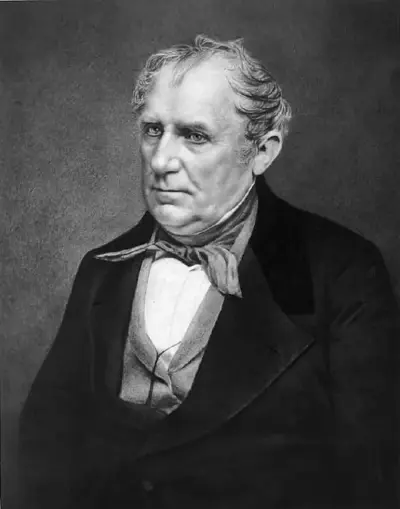
James Fenimore Cooper was an American writer of the first half of the 19th century. His historical romances depicting frontier and Native American life from the 17th to the 19th centuries created a unique form of American literature. He lived much of his boyhood and the last fifteen years of life in Cooperstown, New York, which was founded by his father William Cooper on property that he owned. Cooper became a member of the Episcopal Church shortly before his death and contributed generously to it. He attended Yale University for three years, where he was a member of the Linonian Society.
