Fred Korematsu Quotes
During the curfew, whoever went out, the people were watching you. Any Japanese home, there was some person figuring he's a good American citizen by doing his duty, and they were watching every move each family were doin'. Or if they went out, they followed them to see where they were goin'.
Korematsu, Fred. Interviewed by Peter Irons. The Courage of Their Convictions: Sixteen Americans Who Fought Their Way to the Supreme Court, by Peter Irons, The Free Press, 1988, p. 43.


What oven gets overlooked in the history leading up to the Civil War was the terribly repressive atmosphere that developed in the South itself over the issue of slavery. There were some abolitionists in the South, and most of the slaves were held by a relatively few wealthy men. Many with no slaves or only one or two, might go either way on the slavery issue and the various fugitive slave laws. And Northern abolitionists sometimes would come South to investigate and report on the conditions of the slaves of the South. While still in the Union, many Southern areas made a mockery of the Constitutional protections of freedom of speech, freedom of the press. Censorship and repressive activities invaded privacy, and the South, for both Northerners and English travelers, no longer had the charm of the past. Note the use of the term “reign of terror”. Bunch was a seasoned diplomat experienced at reporting on conditions.


Shortly after the Japanese attack on Pearl Harbor:


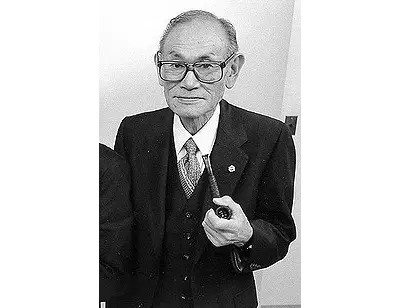
Fred Toyosaburo Korematsu was an American civil rights activist who objected to the internment of Japanese Americans during World War II. Shortly after the Imperial Japanese Navy launched its attack on Pearl Harbor, President Franklin D. Roosevelt issued Executive Order 9066, which authorized the removal of individuals of Japanese ancestry living on the West Coast from their homes and their mandatory imprisonment in internment camps, but Korematsu instead challenged the orders and became a fugitive.
