Richard Baxter Quotes
Do not mathematics and all sciences seem full of contradictions and impossibilities to the ignorant, which are all resolved and cleared to those that understand them?
Baxter, Richard. The Practical Works of the Rev. Richard Baxter. James Duncan, 1830, vol. 21, p. 320.

This quotation was a milestone on scientific and technological development. For the first time in human history the smartest and most creative and visionary people, could not understand or comprehend the direction in which science and technology was moving. It now took people with specialized mathematical capability. Experience and intuitive insight was actually counter-productive in understanding the world as it was being revealed. Intelligence, creativity, perseverance and hard work, for the first time was insufficient. Education and training was the new requirement in addition to the others.


This quote is sometime attributed to Niels Bohr. No definitive citation has been found.


Snow was one of the first people to call attention to problem of the intellectual gulf between most educated people and scientists. See {635971}. As politicians generally fall into the former group, they have had a particularly difficult dealing with scientific issues since the scientific revolution of the 20th century produced this cultural chasm.


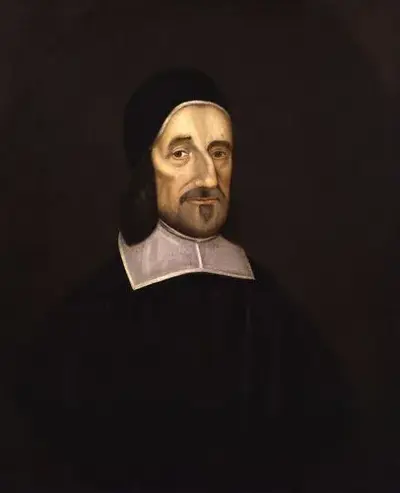
Richard Baxter was an English Puritan church leader, poet, hymnodist, theologian, and controversialist. Dean Stanley called him "the chief of English Protestant Schoolmen". After some false starts, he made his reputation by his ministry at Kidderminster, and at around the same time began a long and prolific career as theological writer. After the Restoration he refused preferment, while retaining a non-separatist Presbyterian approach, and became one of the most influential leaders of the Nonconformists, spending time in prison. His views on justification and sanctification are somewhat controversial and unconventional within the Calvinist tradition because his teachings seem, to some, to undermine salvation by faith, in that he emphasizes the necessity of repentance and faithfulness.
