Walter Savage Landor Quotes
Dignity, in private men and in governments, has been little else than a stately and stiff perseverance in oppression; and spirit, as it is called, little else than the foam of hard-mouthed insolence.
Landor, Walter Savage. The Works of Walter Savage Landor, Vol. 1, Edward Moxon, 1846.


This was the first time that the term “human rights” was used. FDR, a personal friend of Wells, then used the term in his Four Freedoms speech and thus was the first politician to use the term. Later Mrs. Roosevelt was instrumental in using the phrase in the United nations “Declaration of Human Rights” and enshrined the term in the English and world language.

See {626663} for a description of the police illegal violence and {626665} for an earlier statement by the commissioner green lighting brutality with nightsticks. His resignation was forced shortly after. As remarkable as it seems to us today, there was a time where constitutional rights and the law was were commonly abused and broken by the police and the politicians. This occurred in New York which was actually more liberal than most of the country. The Police Commissioner had to resign. In other parts of the country, there were similar police law-breaking but there was little public concern and no one had to resign.

In the aftermath of 9-11, a few government agencies violated the law and civil rights of a number of “Muslims” and/or “Middle Eastern looking” individuals and held them incommunicado with no charges and no warrants. The rationale of those agencies is that they “could not take a chance as lives were at stake. In most major wars in America, there has been an “overreaction” by some officials.


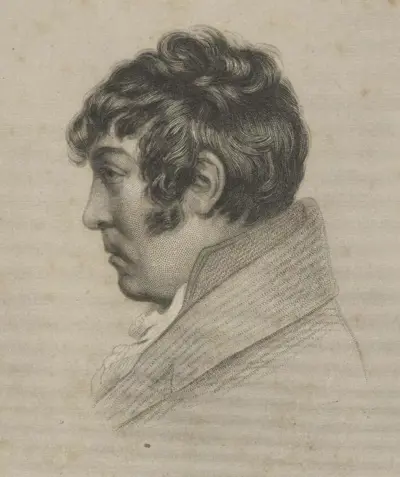
Walter Savage Landor was an English writer, poet, and activist. His best known works were the prose Imaginary Conversations, and the poem Rose Aylmer, but the critical acclaim he received from contemporary poets and reviewers was not matched by public popularity. As remarkable as his work was, it was equalled by his rumbustious character and lively temperament. Both his writing and political activism, such as his support for Lajos Kossuth and Giuseppe Garibaldi, were imbued with his passion for liberal and republican causes. He befriended and influenced the next generation of literary reformers such as Charles Dickens and Robert Browning.
