Westbrook Pegler Quotes
Damn democracy. It is a fraudulent term used, often by ignorant persons but no less often by intellectual fakers, to describe an infamous mixture of socialism, miscegenation, graft, confiscation of property and denial of personal rights to individuals whose virtuous principles make them offensive.
Miscegenation means race mixing. Right wing extremists of the time were often fascist and racist as well as politically very conservative. Note that Pegler’s “denial of personal rights to individuals” did not include the laws against racial intermarriage and the right of two individuals to marry whom they pleased. At the time many of the Southern states had laws against racial intermarriage—laws that were subsequently declared unconstitutional by the lower courts and upheld by the Supreme Court.
Westbrook Pegler, 1894-1969, Political Columnist, “Democracy in the U.S. Branded Meaningless”, New York Journal American, January 25th and 26th, 1951
Sourced by: Eigen's Political and Historical Quotations


This quotation is typical of Mrs. Roosevelt’s strong criticism of Communism. However despite these positions, many of her political enemies continued to call her a Communist or a “fellow traveler”—one who tended to support Communism.


Amazing as it is to most Americans today, the first time there was an interracial kiss depicted on television was on the Science Fiction TV Show Star Trek in the late 1960s. Although the public reaction was not as hostile as the television executives and politicians of the time feared, there were organized boycotts of NBC and many death threats to the actors, writers, producers and executives.
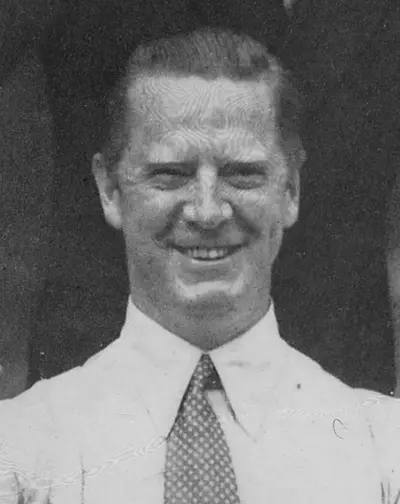
Francis James Westbrook Pegler was an American journalist and writer. He was a popular columnist in the 1930s and 1940s famed for his opposition to the New Deal and labor unions. Pegler aimed his pen at presidents of both parties, including Herbert Hoover, FDR ("moosejaw"), Harry Truman ("a thin-lipped hater"), and John F. Kennedy. He also criticized the Supreme Court, the tax system, and corrupt labor unions. In 1962, he lost his contract with King Features Syndicate, owned by the Hearst Corporation, after he started criticizing Hearst executives. His late writing appeared sporadically in publications that included the John Birch Society's American Opinion.
