Harriet Jacobs Quotes
Cruelty is contagious in uncivilized communities.
Jacobs, Harriet A. Incidents in the Life of a Slave Girl. Published for the Author, 1861, p. 73.


The English loved the operettas making fun of themselves. Some of the phrases such as this one ended up being used in serious political debate. See {616511}.

Ignorant political opposition to new scientific findings has been characteristic of some of the politicians in most governments in most eras.


Senator Robert F. Kennedy had just been shot after winning the California Democratic presidential primary. The president addressed the nation on television:

A privately produced anti-Muslim video was used by Muslim activists throughout the world to whip up violent protests of the United States, Many people were killed. The President was explaining to world leaders the Western view of the importance of protecting free speech, even that which is blasphemous or hateful. One problem of course is that the Islamic holy scripture, The Koran, requires that a blasphemer be put to death. The Jewish and Christian Old Testament proscribes the SAME punishment, and there have been American Christians who have called for a return to literal Mosaic Law. Also ultra-orthodox Jews in America and Israel. The difference of the West is that literal interpretation of the Bible has been given up and the various Biblical Death penalties (including disobedient children and adulterers) and much of the Muslim world has not. For most of the West, democracy has tempered literal religion. For the Islamic world, literal religion has inhibited and obstructed democracy.


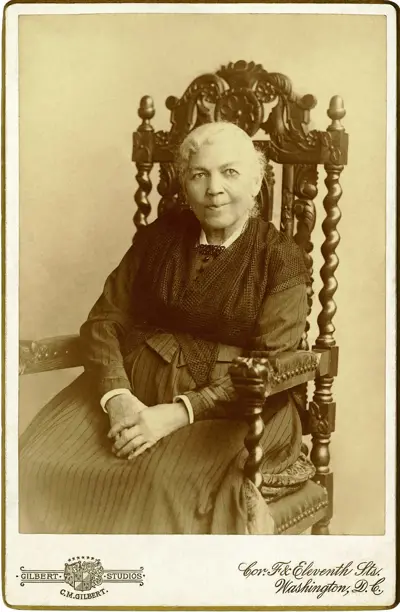
Harriet Jacobs was an African-American writer, whose autobiography, Incidents in the Life of a Slave Girl, published in 1861 under the pseudonym Linda Brent, is now considered an "American classic". Born into slavery in Edenton, North Carolina, she was sexually harassed by her enslaver. When he threatened to sell her children if she did not submit to his desire, she hid in a tiny crawl space under the roof of her grandmother's house, so low she could not stand up in it. After staying there for seven years, she finally managed to escape to the free North, where she was reunited with her children Joseph and Louisa Matilda and her brother John S. Jacobs. She found work as a nanny and got into contact with abolitionist and feminist reformers. Even in New York, her freedom was in danger until her employer was able to pay off her legal owner.
