Felix Frankfurter Quotes
Convictions following the admission into evidence of confessions which are involuntary, i.e., the product of coercion, either physical or psychological, cannot stand. This is so not because such confessions are unlikely to be true but because the methods used to extract them offend an underlying principle in the enforcement of our criminal law: that ours is an accusatorial, and not an inquisitorial, system - a system in which the State must establish guilt by evidence independently and freely secured, and may not, by coercion, prove its charges against an accused out of his own mouth.
Frankfurter, Felix. Rogers v. Richmond, 365 U.S. 534, Supreme Court of the United States, 1961, pp. 540-541.


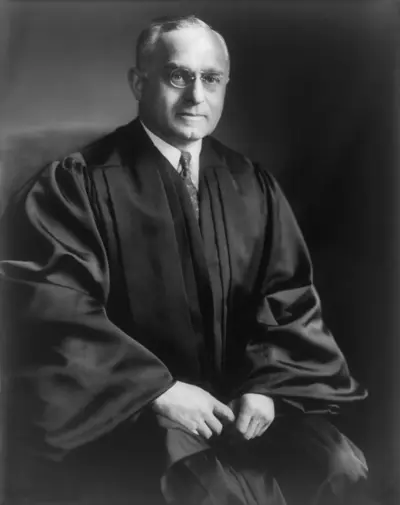
Felix Frankfurter was an American lawyer, professor, and jurist who served as an Associate Justice of the Supreme Court of the United States. Frankfurter served on the Supreme Court from 1939 to 1962 and was a noted advocate of judicial restraint in the judgments of the Court.
