John Paul Stevens Quotes
Colonial history contains many examples of firearm regulations in urban areas that imposed obstacles to their use for protection of the home.
Stevens, John Paul. District of Columbia v. Heller, 554 U.S. 570, Supreme Court of the United States, 26 June 2008, p. 685.


This was the critical Supreme Court decision which finally decided the long debated issue or whether the right to bear arms was an individual right or a collective militia right. Scalia’s majority opinion ruled it an individual right, but it allowed for exceptions where there might be unusual individual risk. It also upheld the right of the government to control where guns are carried and to regulate the commercial sale of firearms which some of the pro gun extremists had insisted the government had no right of regulaltion.


The Southern Rebels who insisted on their right to have guns during Reconstruction, viciously denied that same right to the newly freed slaves. Sickles tried to remedy this, but the KKK and other terrorists intimidated most of the Blacks into not using the right that they had. Later, they would do that with the right to vote.


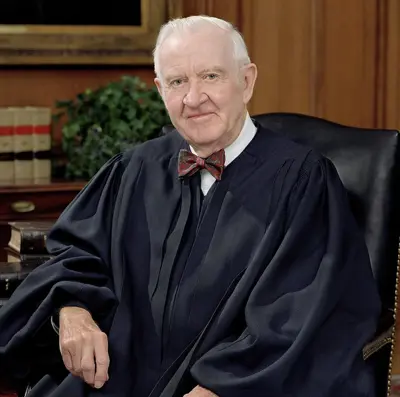
John Paul Stevens was an American lawyer and jurist who served as an associate justice of the United States Supreme Court from 1975 until his voluntary retirement in 2010. At the time of his retirement, he was the second-oldest-serving justice in the history of the court and the third-longest-serving justice. At the time of his death, he was the longest lived Supreme Court justice ever. His long tenure saw him write for the court on most issues of American law, including civil liberties, death penalty, government action and intellectual property. In cases involving presidents of the United States, he wrote for the court that they were to be held accountable under American law. A registered Republican when appointed who throughout his life identified as a conservative, Stevens was considered to have been on the liberal side of the court at the time of his retirement.
