Ouida Quotes
Christianity has been cruel in much to the human race. It has quenched much of the sweet joy and gladness of life; it has caused the natural passions and affections of it to be held as sins.
Ouida. "The Failure of Christianity." Views and Opinions, Methuen & Co., 1895.

Some of the founding fathers were deeply religious men while others were not so. Some varied in their believes at different times of their lives, and a number were not very facorable towards orthodox religion. At the time, Roman Catholic and Protestant churches were persecuting other religions throughout Europe and people were still being killed for their heretical beliefs. Most important to some of them, kings and other monarchs whom they abhorred, all at the time claimed the Divine Right of Kings and the established churches were the most important support for monarchs. At the time most organized religions were opposed to freedom of conscience and certainly opponents of separation of church and state. American churches tended to take on American values but were never given the chance to dominate the American government they way many had in Europe and the rest of the world.


He was officially hanged for his offence of making this statement on January 8, 1697. His execution, which raised considerable concern, was the last execution for blasphemy in Britain.

John Ilyitch Sergieff. Issues of civil and religious freedom have caused schisms and hostility between different religions.
_0_thumbnail_47x47.jpg "Statue of Robert Hall in Leicester.")
Many of the founding fathers were aware of such views in England as the same issues were being debated in America in the debates on Ratification of the Constitution and the required inclusion of the Bill or Rights—specifically the First Amendment.


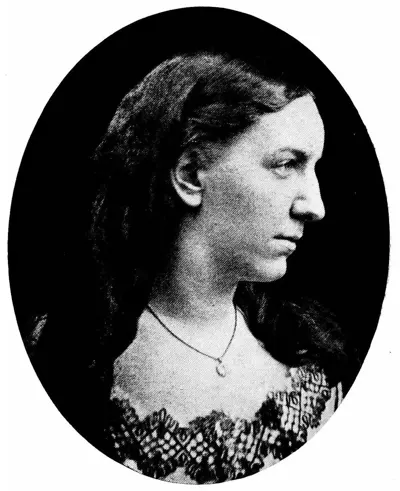
Ouida was the pseudonym of the English novelist Maria Louise Ramé (although she preferred to be known as Marie Louise de la Ramée). During her career, Ouida wrote more than 40 novels, as well as short stories, children's books and essays. Moderately successful, she lived a life of luxury, entertaining many of the literary figures of the day. Under Two Flags, one of her most famous novels, described the British in Algeria. It expressed sympathy for the French colonists—with whom Ouida deeply identified—and, to some extent, the Arabs. The novel was adapted for the stage, and was filmed six times. Her novel A Dog of Flanders is considered a children's classic in much of Asia. The American author Jack London cited her novel Signa, as one of the reasons for his literary success. Her lavish lifestyle eventually led her to penury, and her works were put up for auction to pay her debts. She died in Italy from pneumonia. Soon after her death, her friends organized a public subscription in Bury St Edmunds, where they had a fountain for horses and dogs installed in her name.
