John W. Henry Quotes
But NESV has always had debt from the first day we purchased the Red Sox. We have some partners who look at Internal Rate of Return (IRR) and almost demand that we have debt as a consequence.
Henry, John W. "Exclusive: John W. Henry Interview." Interview by Paul Tomkins. The Tomkins Times, 2 Mar. 2011.


Trump as a business man was notorious for setting up business deals where his partners would put up the money. If the enterprise failed the partners were at risk and lost their money while either did not or lost very little. If money was made, however, he took a large share. He not only did this many times but actually admitted it and bragged about his ability to do that. Incredibly enough he even extended this technique to his charity giving. The vast majority of the money he did good things with through his foundation came from other people. There were many years where he gave not a penny to his own foundation, but gave away and took the credit for what was done with other people’s money. The recipients of the foundations grants mostly assumed that Trump was being generous with his own money, and he never disabused them.


[If a business takes other investors in to finance its growth or expansion, there are no tax consequences with the equity investment. However, if the same business borrows money from a bank, the business can deduct the interest cost of the debt from their federal and usually state taxes. If an individual buys a house and takes a large mortgage, the owner can deduct the interest from his taxes. However, if she instead does the more prudent and safe thing and puts more cash equity and takes a smaller mortgage, she only gets a small tax deduction.]


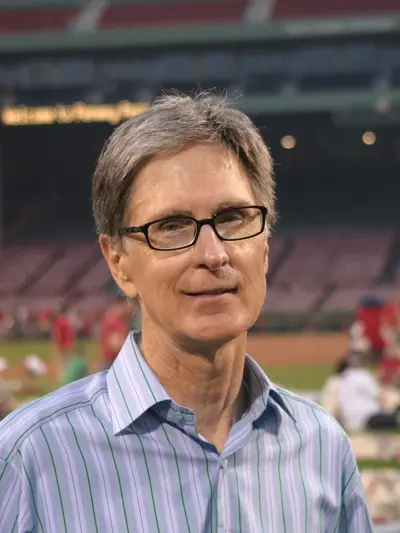
John William Henry II is an American businessman and investor and the founder of John W. Henry & Company, an investment management firm. He is the principal owner of Liverpool Football Club, the Boston Red Sox, The Boston Globe, and co-owner of Roush Fenway Racing. In March 2006, Boston estimated Henry's net worth at $1.1 billion but noted that his company had recently experienced difficulties. In November 2012, the company announced that it would stop managing clients' money by the end of the year, and Henry confirmed that total assets under the firm's management had fallen from $2.5 billion in 2006 to less than $100 million as of late 2012. As of February 2021, Forbes estimated his net worth to be $2.8 billion.
