Jose Saramago Quotes
Beginning with adolescence, my political formation was oriented in the ideological direction of Marxism. It was natural, being that my thinking was influenced by an atmosphere of active critical resistance. That was the way it was during all of the dictatorship and up to the Revolution of 1974.
Saramago, José. Interview by Donzelina Barroso. The Paris Review, no. 149, Winter 1998, p. 64.


Referring to the Declaration of Independence:

The word “smashing” is a literal translation from the Khmer language. It is not used in the metaphorical sense as we are used to. To save money, arms, bullets and resources the Khmer Rouge method of execution was to “smash” the victim’s head in with a shovel or other implement. This slogan told people literally to murder their political enemies in this brutal way.

Vladimir Lenin. While Lenin was of this view, Stalin and other hard liners disagreed. They not only imposed their brand of communism on their own people via force with terrible consequences for any dissidents, but the Soviet Army imposed Communism on most of the states of Eastern Europe, and those states in turn used their Armies and secret police to impose it on their own citizens.


Hayek uses this line to explain that fascism may emerge when communism—or belief in its promise—fails, as seen in Stalinist Russia and pre‑Hitler Germany.


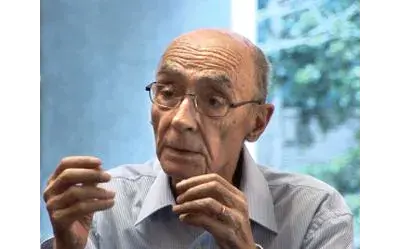
José de Sousa Saramago, GColSE, was a Portuguese writer and recipient of the 1998 Nobel Prize in Literature. His works, some of which can be seen as allegories, commonly present subversive perspectives on historic events, emphasizing the theopoetic human factor. In 2003 Harold Bloom described Saramago as "the most gifted novelist alive in the world today" and in 2010 said he considers Saramago to be "a permanent part of the Western canon", while James Wood praises "the distinctive tone to his fiction because he narrates his novels as if he were someone both wise and ignorant." Bloom and Saramago met when Saramago presented Bloom with an honorary degree from the University of Coimbra; according to Bloom: "A warm acquaintanceship ensued, marked by an exegetical disagreement concerning The Gospel According to Jesus Christ, which continued in correspondence and at a later meeting in New York City".
