Edward Conard Quotes
Because my business partner, Mitt Romney, was running for president when 'Unintended Consequences' was published, the media held up my book as a defense of the 1 percent.
Conard, Edward. The Upside of Inequality: How Good Intentions Undermine the Middle Class. Portfolio/Penguin, 2016, p. ix.


Many of the richest people continue to acquire more money via illegal and immoral means. See {630537}.

In the Meltdown of 2008, the federal government, in order to prevent a major depression, bailed out the banks and the wealthy bankers whose speculations and greed has caused the investments of other people’s money. There was almost no Federal help for the average middle and lower class American who had not caused the meltdown but had been damaged by it. When the bankers took the bailout money and paid themselves and others huge bonuses, even though the companies had lost billions of dollars under their stewardship. Many people were outraged and raised all kinds of public protests that they were being paid bonuses with taxpayer money. The bankers and conservative politicians accused the protesters of being un-American because they were complaining about other Americans success. The President explained the situation.


Describing the annual conference in Davos, Switzerland where the very wealthy of the world gather and discuss mutual concerns.


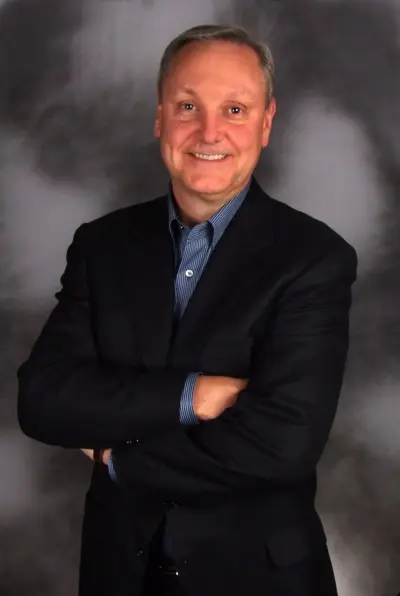
Edward W. Conard is an American businessman, author and scholar. He is the New York Times bestselling author of The Upside of Inequality: How Good Intentions Undermine the Middle Class and Unintended Consequences: Why Everything You've Been Told About the Economy Is Wrong; and a contributor to Oxford University Press’ United States Income, Wealth, Consumption, and Inequality. Conard is an adjunct fellow at the American Enterprise Institute for Public Policy Research. Previously, he was a managing director at Bain Capital, where he worked closely with former presidential candidate Mitt Romney.
