Robert Southey Quotes
Be thankful that your lot has fallen on times when, though there may be many evil tongues and exasperated spirits, there are none who have fire and fagot at command.
Southey, Robert. The Book of the Church. John Murray, 1824.

Wesley had been to Island several times and was interested in affairs there. He was a strong advocate of freedom of religion but the violence of the earlier religious conflict made him very wary of the Irish Roman Catholics who seemed to him particularly prone to religious violence.


He commonly incites Muslims to violence against other religions which he believes totally false. Therefore, in his interpretation of Islam, it is the obligation of Muslims to kill the heretics and blasphemers. See {620307}. He was one of the leading inciters of the Bali bombing which killed so many tourists. Notice the classic attempt to first dehumanize the people who are to be the targets of violence and atrocities to overcome the normal inhibitions of most humans to do violence to another.

The “burning” is a reference to the range of murders from the burning of heretics in the Middle Ages to the crematorium ovens of the German Concentration Camps in the Holocaust of WWII.


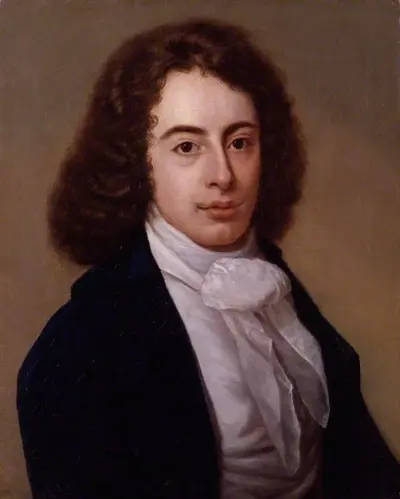
Robert Southey was an English poet of the Romantic school, and Poet laureate from 1813 until his death. Like the other Lake Poets, William Wordsworth and Samuel Taylor Coleridge, Southey had begun as a radical, but became steadily more conservative, as he acquired respect for Britain and its institutions. Other romantics, notably Byron, accused him of siding with the establishment for money and status. He is principally remembered as author of the poem After Blenheim and the original version of Goldilocks and the Three Bears.
