Thomas Paine Quotes
Arms, like laws, discourage and keep the invader and plunderer in awe and preserve order.
Paine, Thomas. "Thoughts on Defensive War." The Pennsylvania Magazine, July 1775.


Quote often cited by gun enthusiasts as a Biblical urging to be armed for self-protection and protection of the home. Likewise they argue that gun control is not only bad policy but against the will of God.

The “thieves” won in the sense that TR was the choice of the vast majority of the Republican voters of the time, yet the party bosses manipulated the convention to deny Roosevelt the nomination. Taft was nominated, and Roosevelt ran on the Bull Moose Party and outpolled Taft, but they split the Republican vote and lost to Democrat Woodrow Wilson.

In the 2004 Iraq war, some accused the United States and Britain of failing to perform this obligation. However, in those instances where they did, others claimed the right of resistance including bombing their own co-religionists and fellow citizens. Likewise, many of the same forces that castigated the allies for not ensuring public order and safety often also castigated Israel for enforcing public order and safety in the West Bank and Gaza.
Nasir Khusaro Hamiduddin Abu Muin Nasir bin Khusaro bin Harith al-Qubandiyani


This article was published under the name of “A Lover Of Peace” but is generally attributed to Paine. He was publishing in Pennsylvania which had a large Quaker, pacifist population and Paine was urging them to consider being armed.

Terror conceptually in France and some other countries was the tool the government used to inhibit criminals.


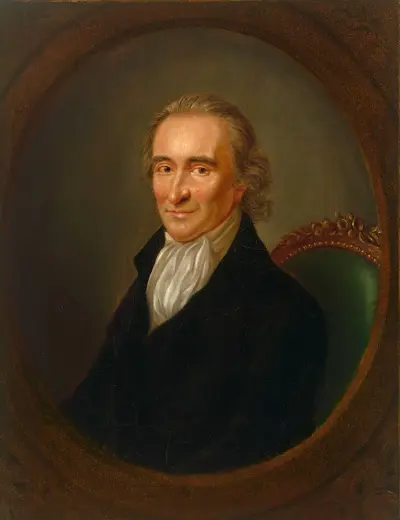
Thomas Paine was an English-born American political activist, philosopher, political theorist, and revolutionary. He authored Common Sense (1776) and The American Crisis (1776–1783), the two most influential pamphlets at the start of the American Revolution, and helped inspire the patriots in 1776 to declare independence from Great Britain. His ideas reflected Enlightenment-era ideals of transnational human rights. Historian Saul K. Padover described him as "a corsetmaker by trade, a journalist by profession, and a propagandist by inclination".
