Theodore G. Bilbo Quotes
Anything done [in politics] is all right unless you get caught.
Theodore G. Bilbo, 1877-1947, Mississippi Governor (Democrat), U. S. Senator (Democrat, MS), Quoted in Reinhard H. Luthin, American Demagogues, Peter Smith, 1959
Sourced by: Eigen's Political and Historical Quotations


Referring to his opponent, John McClellan. Attack campaigning and slandering one’s opponent has a long history in American Politics.


The House Majority Leader Tom Delay, with a history of ethics violations, got caught in some very serious ones and convinced the House majority leadership to change the rules of the Ethics Committee to prevent the minority from initiating any investigations or inquiries. The Ethics Committee was the only House committee that has an equal number of majority and minority members and before this change, either side would initiate an inquiry.


This quotation was ridiculed at the time. Virginia had very lax political ethical laws and regulations for politicians and in that year, both the Republican Governor and the Republican Attorney General had accepted large gifts from businessmen of the state which in other states would have been considered as bribes and be illegal. The rules in Virginia were so lax, that expensive gifts were given to members of politician’s family. In one case that year, a businessman paid for the Governor’s daughter’s expensive wedding. With both houses of the state legislature also in Republican hands, there was no oversight or investigations. It was only though the efforts of the press that the facts emerged. Howell did not say or do anything about the situation. Although in 2013 it was Republicans who were corrupt, the same lax rules had prevailed for years and when they were in power the Democrats made no effort to tighten the ethics laws and rules.


He warns particularly of politicians who believe their own lies.


Referring to the Supreme Court 5-4 decision—Citizens United v. Federal Election Commission--that allows corporations and rich individuals to spend unlimited amounts of money campaigning to the advantage of particular candidates.


This is an important quotation because it was believed by most of the Founding Fathers and the American public until relatively recently. Presidential candidates would not think of publicly campaigning. The view was that anyone who was ambitious for power and authority should not be trusted with it. The idea was first stated by Plato and has been a major view of Western politics since. Many still believe it, but no one has come up with a practical alternative in a large jurisdiction where there is no way to know about the possible candidates without their initiative. Earlier American presidential candidates, although they did not campaign as we know it, got associates to do their campaigning for them. At Presidential nominating conventions, candidates would not even attend. Abraham Lincoln for example never attended the convention at which he got nominated, but he had associates lining up delagates and he was managing their efforts behind the scenes.

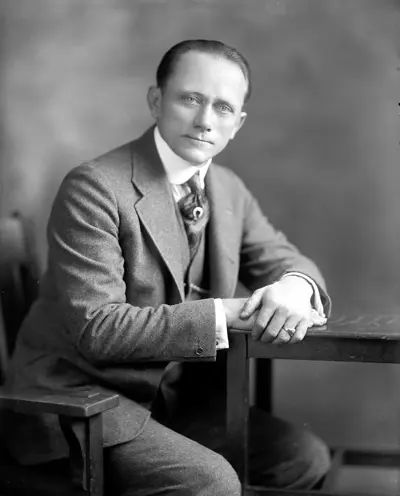
Theodore Gilmore Bilbo was an American politician who twice served as governor of Mississippi (1916–20, 1928–32) and later was elected a U.S. Senator (1935–47). A lifelong Democrat, he was a filibusterer whose name was synonymous with white supremacy—like many Southern Democrats of his era, Bilbo believed that black people were inferior; he defended segregation, and was a member of the Ku Klux Klan.
