Tom Clancy Quotes
Anti-Catholicism is the last respectable prejudice. You can't hate black people anymore, of course, and you can't hate homosexuals anymore, but you can hate all the Catholics you want.
Clancy, Tom. Quoted in The Washington Post, 1998.

Poland was one of the Nazi occupied nations which cooperated in the mass murder of Jews and facilitated the Holocaust. Even after the war, much of the Polish Catholic clergy maintained virulent anti-Semitic views and in 1946 Polish thugs with the encouragement of some priests engaged in a pogrom in Kielce of returning Polish Jewish refugees. Catholic Primate of Poland, Augustus Hlond, made numerous anti-Semitic statements further exacerbating the problem. Many cast blame on Pope Pius XII who was not very vocal during the Nazi era regarding the ill treatment and murder of Jews, Gypsies, and handicapped, giving a “green light” to the Polish Prelate and those lower anti-Semitic priests. Papal apologists note that Hitler could have turned on the Catholic Church; the Pope had to walk a fine line between condemning evil and risking the welfare of the Church. Nonetheless, many Catholic priests risked and some lost their lives speaking out against the Nazi evil and protecting Nazi targets.


This quotation was used by the Lyndon B. Johnson 1964 Campaign as: “We represent the majority of the people in Alabama who hate niggerism, Catholicism, Judaism, and all the isms of the whole world.” So said Robert Creel of the Alabama Ku Klux Klan. He also said, “I like Barry Goldwater. He needs our help.” The second statement was made at a different time.


Michener had chaired a county campaign committee and discovered that most great amount of the virulent, anti-Catholic, messages and materials that impinged on the campaign were tax-exempt religious publications and church newsletters.


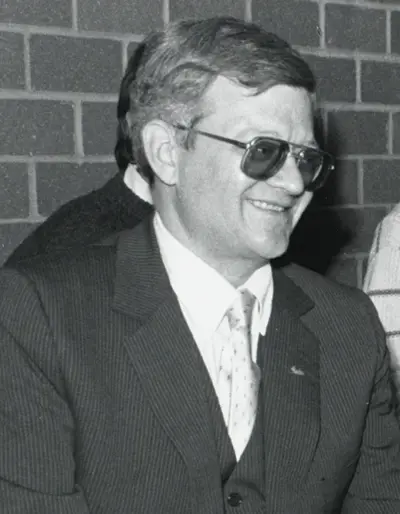
Thomas Leo Clancy Jr. was an insurance agent turned American novelist best known for his technically detailed espionage and military-science storylines set during and after the Cold War. Seventeen of his novels were bestsellers, and more than 100 million copies of his books were sold. His name was also used on movie scripts written by ghostwriters, nonfiction books on military subjects occasionally with co-authors, and video games. He was a part-owner of his hometown Major League Baseball team, the Baltimore Orioles of the American League and vice-chairman of their community activities and public affairs committees.
