Margaret Spellings Quotes
And I believe that public broadcasting has an important trust with the American people, it's an intimate medium of television, and that we can do reading and language development for young children without getting into human sexuality.
Spellings, Margaret. Interview. The Today Show, NBC, 27 Jan. 2005.


When the British first colonized South Africa, the area they used was akmost uninhabited or very sparcely so. However, some Black tribes (including the Zulus) were moving from the north and themselves were colonizing or annexing the areas to their kingdom. The British were most interested in Trading so did not have large land asperations. The Dutch white Boer Africanners, in contrast, wanted to farm the lands and use the range for their cattle. They wanted the land. The English policy was that there would be friendly relations with the Black tribes surrounding their Cape Colony and no one should take their land. However the Boers started attacking the Black areas and seizing their farms and villages. At first, the English assumed that the Blacks would easily be able to ward off the invasion as the Afrikanners had no professional troops like the British. However, the neighboring tribes were not very warlike or good fighters. They were being overrun by the Zulus coming from the North and the Boers from the South. The British Government had a real problem in that they would have to have British soldiers fight the white Afrikanners if they wanted to stop the illegal white invasions. This was the root of the Boer War where the British would be fully at war with the Africanners.


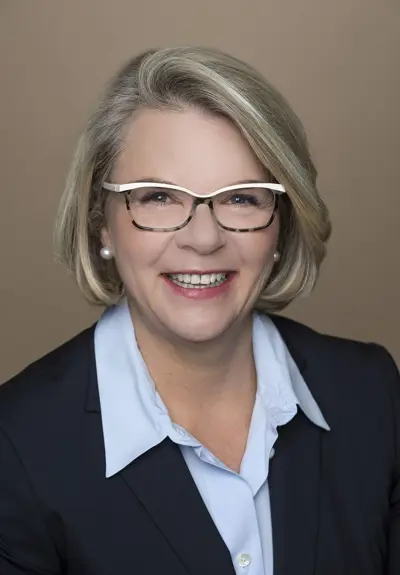
Margaret M. LaMontagne Spellings is an education administrator and American politician. Spellings was the President of the University of North Carolina, overseeing the seventeen campus system from March 1, 2016 until March 1, 2019 and is currently the CEO and President of Texas 2036.
