Prince Quotes
All you see on television are debased images.
Prince. Interview by Dorian Lynskey. "Prince: 'I didn't let anyone get my ear'." The Guardian, 23 Jun. 2011.


Ronald Reagan’s media expert, Michael Deaver, developed a new approach to Presidential appearances. He realized that if the President made a 5 or 10 minute speech at an event, the Evening News would choose one or two 10-15 second excerpts, and that was what the vast majority of the country would see. Therefore, he reasoned, the words spoken meant relatively little. It was the image what would last in people’s memory. Therefore, he worked hard to concentrate on getting the right background for the President’s appearance. The Statue of Liberty, a naval ship, a factory at work. The set of images that people would have of the President in these different appearances would define the President in the minds of most people. Deaver would be more concerned that the TV camera’s showed the background scene he had planned (rather than a strange angle or just a close-up of the President’s face) than he would be about which words—sound bytes—the TV station would select. Hence Baker’s observation that words were less important than the TV images.


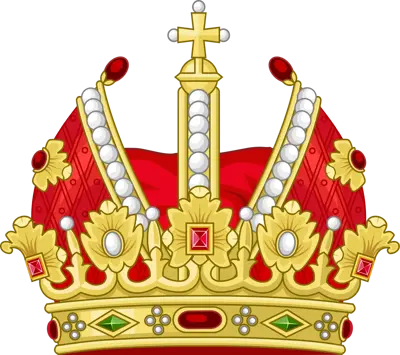
A prince is a male ruler (ranked below a king, grand prince, and grand duke) or a male member of a monarch's or former monarch's family. Prince is also a title of nobility (often highest), often hereditary, in some European states. The feminine equivalent is a princess. The English word derives, via the French word prince, from the Latin noun prīncepscode: lat promoted to code: la, from primuscode: lat promoted to code: la (first) and capiocode: lat promoted to code: la (to seize), meaning "the first, foremost, the chief, most distinguished, noble ruler, prince".
