Dino De Laurentiis Quotes
After the war, there was no industry. We lost the war. We had our whole city destroyed. No money. No studio. No film. No camera. No equipment. We would shoot in the street. We had no actors. Nothing. But we wanted to do movies. And we did the best movies in the world.
De Laurentiis, Dino. Interview by Charlie Rose. Charlie Rose, PBS, 21 Feb. 2001.


This practice credited to the Americans in WWII while the German’s waited for instructions, was not an American invention. It appears to have originated with one of the greatest of the Russian military leaders.


The South could not replenish their lost arms and munitions nor could they replace most of the men wounded, killed or taken prisoner. The Union could do both. Therefore as long as the Union army inflicted casualties, it mattered little who won which battle as long as the fighting was in the South. This critical strategic reality was never appreciated by the Union Generals who were generally reluctant to take large casualties. When Grant and Sherman finally were able to set the strategy of attrition in operation, the Union actually won most of the battles though he and Grant took very high casualties. The casualties of the Confederates were generally higher but they did not have to be for the Union to win. The Civil War was a strategic form of suicide. Ironically, at a few points the rebellion might have succeeded because of the incompetent and timid Union military leadership at the beginning of the war.


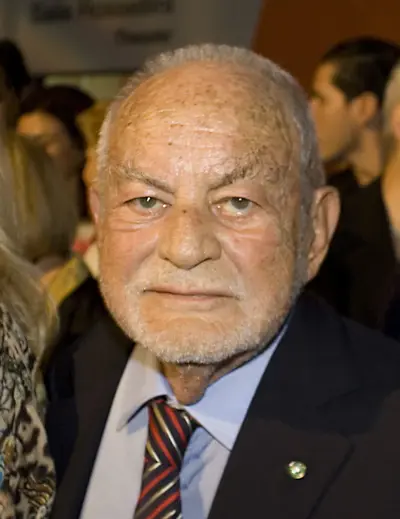
Agostino "Dino" De Laurentiis was an Italian (later naturalized American) film producer. Along with Carlo Ponti, he was one of the producers who brought Italian cinema to the international scene at the end of World War II. He produced or co-produced more than 500 films, of which 38 were nominated for Academy Awards. He also had a brief acting career in the late 1930s and early 1940s.
