Steven Levitt Quotes
After all, your chances of winning a lottery and of affecting an election are pretty similar. From a financial perspective, playing the lottery is a bad investment. But it's fun and relatively cheap: for the price of a ticket, you buy the right to fantasize how you'd spend the winnings - much as you get to fantasize that your vote will have some impact on policy.
Levitt, Steven D., and Stephen J. Dubner. SuperFreakonomics: Global Cooling, Patriotic Prostitutes, and Why Suicide Bombers Should Buy Life Insurance. William Morrow, 2009.


The military had made a mess of the Argentine economy and inflation was rampant. Some Argentines turned their Argentine pesos into dollars betting that the Argentine economic situation would get worse, This run from the peso would make it worse. If Argentina stabilized the peso, speculators in dollars would lose money. The Minister trying to discourage a run from the peso, warned Argentinians against the dollar investment. A days later the dollar went up over 30%. Those who had listened to the minister lost much of their money, He was soon forced to resign by the military dictators who controlled the government.


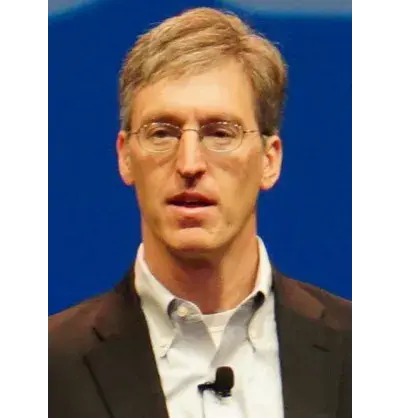
Steven David Levitt is an American economist and co-author of the best-selling book Freakonomics and its sequels (along with Stephen J. Dubner). Levitt was the winner of the 2003 John Bates Clark Medal for his work in the field of crime, and is currently the William B. Ogden Distinguished Service Professor of Economics at the University of Chicago as well as the Faculty Director and Co-Founder of the Center for Radical Innovation for Social Change at the University of Chicago. He was co-editor of the Journal of Political Economy published by the University of Chicago Press until December 2007. In 2009, Levitt co-founded TGG Group, a business and philanthropy consulting company. He was chosen as one of Time magazine's "100 People Who Shape Our World" in 2006. A 2011 survey of economics professors named Levitt their fourth favorite living economist under the age of 60, after Paul Krugman, Greg Mankiw and Daron Acemoglu.
