Mahatma Gandhi Quotes
A society or a nation constructed nonviolently must be able to withstand attack upon its structure from without or within.


Fiji had been divided ethnically between the indigenous tribes and Indian immigrants. The latter were pushing for modern democracy and the latter wanted it tempered by traditional authority of tribal leaders and traditional values.

This was the time of the rise of Hitler and efforts of communist revolutionary activity alike.

While it is true that thus far in human history war has been the only way, that does not necessarily mean that that is the only way. The establishment of free trade used to be only accomplished by force or arms or fear of such, but in modern times, common markets and trading zones are being created for economic and domestic desires for economic development. Even most non democratic countries have wanted to create a larger market for its goods and services and have joined larger organizations irrespective of military defeat and its fear. See {553984} for perspective and hope relating to this quotation.

Israel's Arab enemies do not simply want to control the territory and/or the economic resources. Their aim, overtly stated thousands of times since the formation of Israel, is to "drive the Jews into the sea", murder the population, obtain revenge for their percieved humiliation that "foreigners" to the region and their religion could build a society so far advanced compared to Arabs on the harsh land abd without any of the oil riches that some of the Arab states had. Israel has won all the wars that the Arabs have initiated, and never murdered the population, and provide the "occupied territiries" with better medicine and infrastructure than the Arabs achieve on their own.


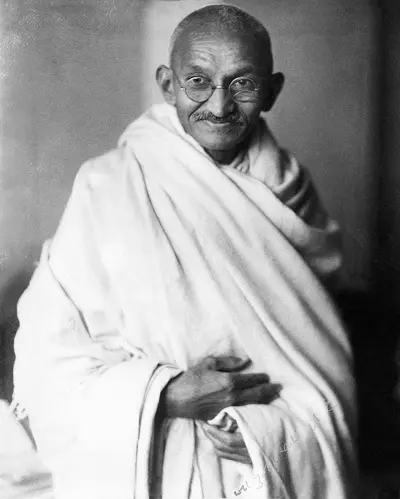
Mohandas Karamchand Gandhi was an Indian lawyer, anti-colonial nationalist, and political ethicist, who employed nonviolent resistance to lead the successful campaign for India's independence from British rule, and in turn inspired movements for civil rights and freedom across the world. The honorific Mahātmā (Sanskrit: "great-souled", "venerable"), first applied to him in 1914 in South Africa, is now used throughout the world.
