Louis Antoine de Saint-Just Quotes
A nation regenerates itself only upon heaps of corpses.


Ataturk had been a military hero, but was very much opposed to war and military adventurism not unlike the Dwight Eisenhower and Colin Powell type leaders. However, the one thing that he thought worth the sacrifice of his own and other Turkish lives was Turkish independence and sovereignty. Historically, the Ottoman Empire which Ataturk finally ended, had dominated half of Europe and all of the Mid East at the cost of sovereignty of other nations and Ataturk saw no more important virtue with dying for than national sovereignty. See {125322} and {584501}.


In the midst of the Battle of Sevastopol in the Crimean War, Tolstoy was actually a young lieutenant. At a point in the battle a truce was called between the French and the Russians so that they could each collect their dead and wounded. Then the fighting resumed.


Urging use of force against the South:

Prior to whites settling in America, various Indian tribes had a long history of fierce fighting for control of Kentucky. The Transylvania Land company negotiated for the “rights” to Kentucky. Dragging Canoe, who opposed the treaty, argued that the land had a bad history and would be very difficult to settle. Poet Theodore O’Hara described Kentuckians as “Sons of the Dark and Bloody Ground” in his poem, The Bivouac of the Dead.

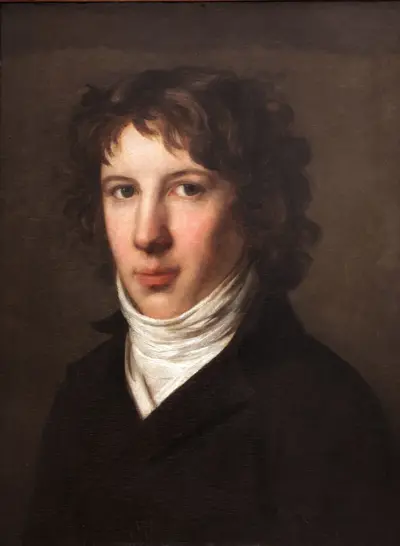
Louis Antoine Léon de Saint-Just was a Jacobin leader during the French Revolution. He was a close friend of Maximilien Robespierre and served as his most trusted ally during the period of Jacobin rule (1793–94) in the French First Republic. Saint-Just worked as a legislator and a military commissar, but he achieved a lasting reputation as the face of the Reign of Terror. He publicly delivered the condemnatory reports that emanated from Robespierre and the Committee of Public Safety and defended the use of violence against opponents of the government. He supervised the arrests of some of the most famous figures of the Revolution and saw many of them off to the guillotine. For his unyielding severity, later writers dubbed him the "Angel of Death".
