Mahatma Gandhi Quotes
A man like me cannot but believe that this earthquake is a divine chastisement sent by God for our sins.
Gandhi, Mahatma. The Collected Works of Mahatma Gandhi. Vol. 57, Publications Division, Ministry of Information and Broadcasting, Govt. of India, 1974, p. 165.


Answer to criticism that beheading was a violation of the Declaration of Human Rights stricture against cruel and unusual punishment.

A massive earthquake struck Japan, destroying most of Tokyo and Yokohama. The deaths were so extensive that no official count was ever made. At the time, Japanese politics was polarized by two factions: One urged Japan to become democratic and modern like the West; the other, urged Japanese right wing militarism and expansionism. The shock of the Japanese population of such an enormous natural disaster, were seem by most Japanese as a punishment from God as Yasubumi and many other Japanese leaders stated. The reason for the punishment claimed by most was the recent adoption of Western ideas, lifestyles and particularly the trend away from traditional Japanese authoritarian government and toward Democracy. Japan then rejected democratic ideas and followed a militaristic, expansionistic, aggression leading directly to WWII.
His perception that the loss of the war for the South was God’s retribution for Southern Slavery and treason was very common in the North. The young man was shocked at the difference between the educational levels of he and his Michigan comrades vis a vis their Southern counterparts. The Southern slave-centered economy didn’t provide a very good education, even for its own white citizens. 150 years after the Civil War, the South was generally behind the rest of the country in average educational.achievement.


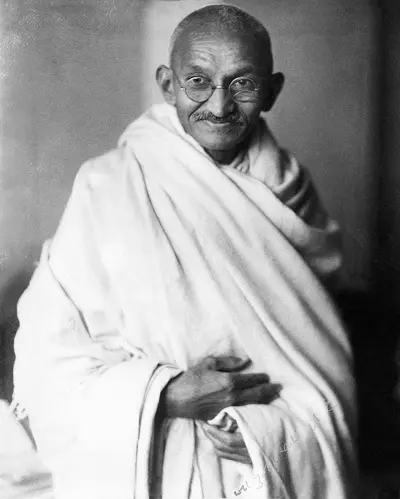
Mohandas Karamchand Gandhi was an Indian lawyer, anti-colonial nationalist, and political ethicist, who employed nonviolent resistance to lead the successful campaign for India's independence from British rule, and in turn inspired movements for civil rights and freedom across the world. The honorific Mahātmā (Sanskrit: "great-souled", "venerable"), first applied to him in 1914 in South Africa, is now used throughout the world.
