George Santayana Quotes
A man is morally free when, in full possession of his living humanity, he judges the world, and judges other men, with uncompromising sincerity.
Santayana, George. Soliloquies in England and Later Soliloquies. C. Scribner's Sons, 1922, p. 165.


The great fallacy of course is who decides what is right. What is noteworthy is that this political and philosophical view of liberty still exists in much of the world today. There is no need for rights or constitutions to protect people if they do things that are “right”. It is only when we do something that the authorities or the majority think is “wrong” that we need the protection of rights and constitutions.


Note that the two do NOT ALWAYS coincide. There are those who argue that law should be respected, right or wrong. There are also those who argue that law should be respected, only when it is in the right. Note also that “respect” and “obedience” are two different things. Some people argue that law and the courts and government must have respect. Others that they are only due obedience but not necessarily respect when they are in the wrong. Still others, like Thoreau, that obedience even is not required when the law is wrong. There are those who take this to the degree that obedience to a “wrong” law is wrong and there is a DUTY to disobey a wrong law. However, a more nuanced view does not treat all laws as the same importance. I may think a particular tax is unjust and wrong, but obedience does not necessarily have moral consequences. A law that says that people with a certain religion must not be hired, however, is sufficiently immoral that I am obliged to disobey it.


Samuel Langhorne Clemens, 1835-1910


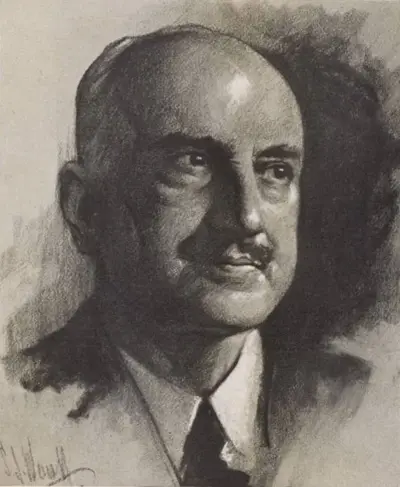
Jorge Agustín Nicolás Ruiz de Santayana y Borrás, known in English as George Santayana, was a philosopher, essayist, poet, and novelist. Originally from Spain, Santayana was raised and educated in the US from the age of eight and identified himself as an American, although he always retained a valid Spanish passport. At the age of 48, Santayana left his position at Harvard and returned to Europe permanently.
