Joseph Story Quotes
A feeble executive implies a feeble execution of the government.


1st Earl of Beaconsfield

The reference was to President George W. Bush.

1st Earl Baldwin of Bewdley. Queen Victoria's birthday


On why the President should not be given the right to go to war without the approval of Congress:

We live in a time where people are losing confidence in the ability of Government to solve problems.
The public confidence in government had hit an historical low during the administration of George W. Bush during which his administration was riddled with ideologues who had little competence and less inclination to solve problems. However even in those cases where the Bush administration wanted to succeed, they usually failed producing such fiascos as Hurricane Katrina, the aftermath of the invasion of Iraq, shipping nuclear weapons components my mistake to Taiwan, illegal disclosure of the identity of CIA covert agents, and others.


A minority of newly elected ultra conservative Tea Party Republicans intimidated most of the main line Republicans by threatening to run against them in their primary elections. The result was that almost no legislation was passed and there was a constant drumbeat of attacks against anything the government was doing or might do in the future. Public confidence in government was driven very low, with only the public confidence in Congress lower. The Democrats who could accomplish very little in that circumstance became very unpopular while the Republicans were even more so. However, many Tea Party Republicans viewed that as a victory as their major objective is to enfeeble government—especially the Federal government.


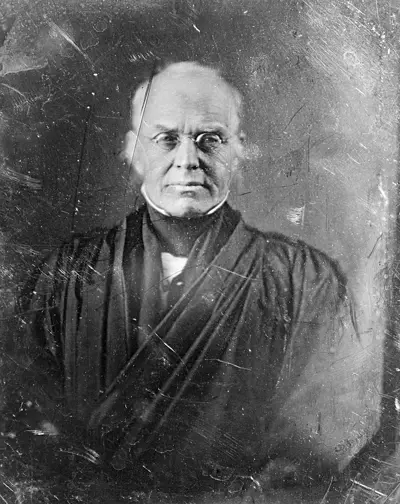
Joseph Story was an American lawyer and jurist who served on the Supreme Court of the United States from 1812 to 1845, during the Marshall Court and early-Taney Court eras. He is most remembered for his opinions in Martin v. Hunter's Lessee and The Amistad case, and especially for his magisterial Commentaries on the Constitution of the United States, first published in 1833. Dominating the field in the 19th century, this work is a cornerstone of early American jurisprudence. It is the second comprehensive treatise on the provisions of the U.S. Constitution and remains a critical source of historical information about the forming of the American republic and the early struggles to define its law.
