Hannah More Quotes
A faint endeavor ends in a sure defeat.


In those days the party bosses picked the Vice Presidential nominee, and they picked Nixon. As the President got to know his running made, his dislike developed. In Nixon’s entire tenure as Vice President he was never invited to the private presidential quarters of the White House for a meeting or a social occasion. Eisenhower, who loved golf and played with many politicians of both parties and many celebrities would never play golf with Nixon. In part, these types of snubs and insults, were the forerunner of the later Nixon hatred of the American establishments that was revealed by the Nixon tapes.

Early in the year the President asked his most experienced political strategist what was likely to happen in the Presidential election that was upcoming later that year. The Vietnam War was tearing the country apart. He had lost the South because of the Civil Rights laws he has passed. For the rest of the country, the war hardliners wanted someone more aggressive than him, and the Doves wanted us out of Vietnam. Johnson, in a great political tragedy, even though he thought the war was unwinnable, could not bring himself to be the first American President to lose a war. He soon would decide to withdraw from the race but not pull out of Vietnam. See {637677} and {637678}.


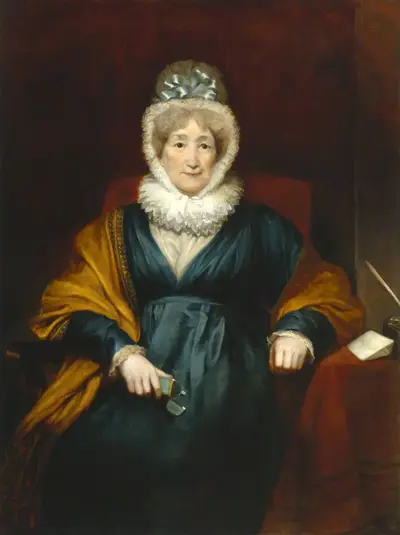
Hannah More was an English religious writer and philanthropist, remembered as a poet and playwright in the circle of Johnson, Reynolds and Garrick, as a writer on moral and religious subjects, and as a practical philanthropist. Born in Bristol, she taught at a school founded there by her father and began writing plays. She became involved with the London literary elite and was a leading Bluestocking member. Her later plays and poetry became more evangelical, and she joined a group campaigning against the slave trade. In the 1790s she wrote several Cheap Repository Tracts on moral, religious, and political topics for distribution to the literate poor (famously a riposte to Thomas Paine's Rights of Man). Meanwhile, she broadened her links with schools that she and her sister Martha had founded in rural Somerset. These modelled her strictures on the education of the poor, permitting a limited reading ability but no writing.
