Juvenal Quotes
A child is owed the greatest respect; if you have ever have something disgraceful in mind, don't ignore your son's tender years.
Juvenal. Juvenal and Persius. Translated by G. G. Ramsay, Harvard UP, 1918, p. 269.


What is most interesting about this quotation is not the fact of the corruption, but the blatant manner in which Daley admitted to it. Today, we look back and ask how such blatant, open corruption could be tolerated. At the time, while the public tended to see this as corruption, politicians actually saw it as a healthy part of the system. After all, they argued, we want the best men for high office, and we don’t want them to have large salaries at the expense of the taxpayer. The city needs the insurance, so no taxpayer is hurt if the mayor gives the insurance business to his son. Similarly, 4 decades later, most politicians do not view campaign contributions as corruption while many citizens do. This ethical and moral standard may change just as the steering of insurance contracts did.


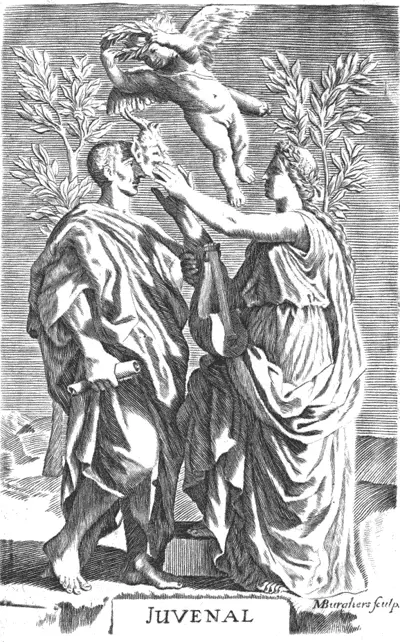
Decimus Junius Juvenalis (Latin: [ˈdɛkɪmʊs ˈjuːniʊs jʊwɛˈnaːlɪs]), known in English as Juvenal (/ˈdʒuːvənəl/ JOO-vən-əl), was a Roman poet active in the late first and early second century AD. He is the author of the collection of satirical poems known as the Satires. The details of the author's life are unclear, although references within his text to known persons of the late first and early second centuries AD fix his earliest date of composition. One recent scholar argues that his first book was published in 100 or 101. Because of a reference to a recent political figure, his fifth and final surviving book must date from after 127.
