James Forman Jr. Quotes
A black man of my generation born in the late 1960s is more than twice as likely to go to prison in his lifetime then a black man of my father's generation. I was born after the Voting Rights Act, after the Civil Rights Act, after the Fair Housing Act.
Forman, James, Jr. Locking Up Our Own: Crime and Punishment in Black America. Farrar, Straus and Giroux, 2017.


The vast majority of the million Blacks in prison have been sentenced for using or selling drugs.


Two decades earlier leading Black politicians, observing the differential deleterious effects of drug use on Blacks called for a massive Federal effort to diminish substance abuse. The War on Drugs responded and reduced the drug use in America somewhat. However, the unintended consequences—especially for Blacks—caused many Black politicians to call for an end or serious curtailing to the War on Drugs. The differential effect on Black males was dramatic. White drug dealing tended to occur in private offices and homes where black dealing takes place to a greater extent on the streets where the lower level dealers are much more likely to be caught. The differential penal;ties for possession or selling of powdered cocaine (preferred by whites) and crack cocaine (preferred by Blacks) caused many more Blacks to be jailed. With less access to the better attornies, the Bplacks tend to get longer sentences, even for the same crime. In addition, the drug of choice for most whites is alcohol which was made legal while the drugs of choice for Blacks are illegal. In many Black urban neighborhoods like Newark, the majority of young Black men arwere in jail for ddrug law violations. See {624056} for a concurring opinion.


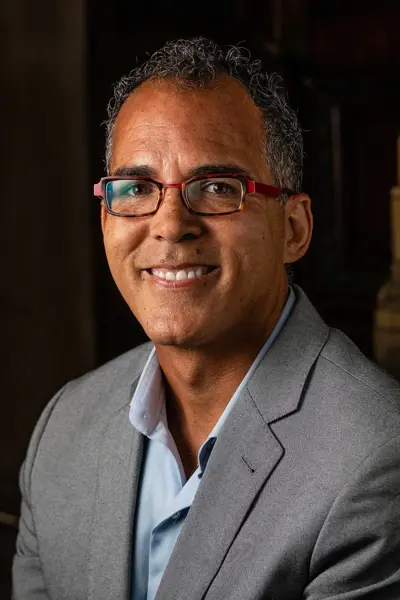
James Forman Jr. is an American legal scholar currently serving as the Professor of Law at Yale Law School. He is the author of Locking Up Our Own: Crime and Punishment in Black America, which won the 2018 Pulitzer Prize for General Nonfiction, and a co-founder of the Maya Angelou School in Washington, D.C.
